
The Role of Therapy in Managing Depression
Depression is more than just feeling sad — it is a serious mental-health condition that affects mood, thoughts, behaviour, and physical well-being. Persistent low mood, hopelessness, decreased energy, loss of interest in previously enjoyed activities, and distorted self-perception can weigh heavily on a person’s life. Therapy plays a pivotal role in alleviating these burdens, offering hope, healing, and a path back to balance.
Common Symptoms & Warning Signs of Depression
Depression can show up in many ways — emotionally, mentally, physically, and behaviourally. Some frequent symptoms:
- Persistent sadness, emptiness, or feelings of hopelessness lasting weeks or months.
- Loss of interest or pleasure in hobbies, social interactions, work or studies (anhedonia).
- Fatigue, low energy, or lethargy even after minimal effort.
- Disturbed sleep — insomnia or sleeping too much; or appetite changes — loss of appetite or overeating.
- Difficulty concentrating, making decisions, or memory problems which affect daily functioning.
- Negative self-talk, feelings of worthlessness or excessive guilt.
- Social withdrawal, isolation, or avoiding relationships and responsibilities.
- Physical symptoms such as headaches, digestive issues, unexplained aches, or psychosomatic complaints without medical cause.
- In severe cases: thoughts of death or suicide, self-harm ideation — these require immediate professional support.
Common Roots & Causes of Depression
Depression rarely arises from a single cause; more often it is a complex interplay of factors:
- Biological factors: genetic predisposition, imbalanced brain chemistry, hormonal fluctuations or chronic illness may increase vulnerability.
- Psychological factors: negative thinking patterns, low self-esteem, internalised guilt or shame, rumination, or unresolved trauma.
- Life events or stressors: loss of loved ones, grief, relationship problems, divorce, job stress, academic failures, financial hardships, major transitions, or parenting pressures.
- Environmental and social influences: lack of social support, isolation, chronic stress, work pressure, bullying, societal expectations.
- Co-existing mental health issues: anxiety disorders, PTSD, personality difficulties, burnout, or chronic stress — often overlapping and worsening depression.
Identifying root causes helps shape an effective therapeutic plan rather than treating only superficial symptoms.
Why Therapy Matters — Beyond Medication
While medication can provide symptomatic relief and biochemical balance, therapy offers deeper, sustainable healing. Through counselling and therapeutic techniques, individuals learn to:
- Understand and reframe negative thought patterns and cognitive distortions that fuel depression.
- Develop healthy coping strategies to deal with stress, loss, trauma, and emotional pain.
- Process unresolved grief, trauma or life transitions in a safe, supportive environment.
- Enhance self-esteem, self-compassion and emotional resilience.
- Restore meaningful relationships, social support and connection, crucial for long-term well-being.
- Improve behavioral health — sleep hygiene, daily routine, work-life balance, healthy lifestyle and structure in daily life.
- Prevent relapse by cultivating awareness, emotional intelligence, and life-skills to face future challenges.
Therapy empowers individuals — giving them tools to transform pain into growth, despair into hope.
Therapeutic Approaches & Procedures in Depression Treatment
Different forms of therapy and counselling can be chosen based on individual needs. Common and effective approaches include:
- Cognitive Behavioral Therapy (CBT) — identifies distorted thinking patterns, challenges negative beliefs, and builds realistic, positive thinking.
- Rational Emotive Behavior Therapy (REBT) — addresses irrational or rigid beliefs (e.g. “I must be perfect,” “If I fail, I am worthless”), modifies these to healthier cognitions.
- Dialectical Behavior Therapy (DBT) — supports individuals with emotional dysregulation, intense mood swings, self-criticism or self-harm tendencies, combining mindfulness, acceptance and behaviour-change strategies.
- Behavioral Therapy & Lifestyle Counselling — reinstates structured routine, healthy habits, exercise, sleep hygiene, diet, social engagement, and daily activity scheduling.
- Trauma Therapy / Grief & Loss Counselling — for depression rooted in trauma, bereavement, childhood issues or relationship losses.
- Psychological Assessment & Personality Testing — for underlying personality vulnerabilities, ADHD, autism spectrum evaluation, neuropsychological testing, IQ testing, learning-style assessment or special-needs support, especially when depression coexists with other conditions.
- Supportive Counselling & Life Transition Guidance — for career crises, academic stress, workplace burnout, relationship issues, parenting stress, or major life changes.
- Social Skills Training / Psychosocial Rehabilitation — to rebuild social confidence, interpersonal skills, assertiveness, public-speaking ability, reducing isolation and improving social functioning.
A typical therapeutic procedure may follow these steps:
- Initial evaluation & assessment to understand emotional history, triggers, severity, co-existing issues, personality or neuropsychological factors.
- Personalized treatment planning — selecting therapy modality (CBT/REBT/DBT/Trauma therapy etc.) according to individual needs.
- Regular therapy sessions with structured exercises, talk-therapy, behavioural tasks, journaling, mindfulness, homework assignments.
- Lifestyle & habit adjustments under therapist’s guidance: healthy sleep, balanced diet, exercise, daily routine, stress-management practices.
- Periodic assessments & progress tracking to monitor improvement, address relapses, refine approaches.
- Maintenance & prevention plan — building long-term resilience, coping strategies, emotional regulation, social support network.
Frequently Asked Questions (FAQ)
- Q: Can therapy alone treat depression effectively?
A: Yes — especially in mild to moderate depression. Therapy (like CBT, REBT, DBT, trauma counselling), combined with healthy lifestyle and support, often leads to long-term improvement without reliance solely on medication. - Q: How soon can one expect relief with therapy?
A: It varies per individual: some notice changes in a few weeks, many over months. Commitment, consistency and safe therapeutic alliance are key. - Q: What if depression is severe or chronic?
A: In such cases, therapy is still vital but may be complemented by medical evaluation. A trained mental-health professional can guide whether additional intervention is necessary. - Q: Is it helpful to combine therapy with other supports (social, lifestyle, career, family)?
A: Absolutely — counselling that addresses underlying life-stressors, career issues, academic pressure, relationship stress, trauma, or family concerns improves outcomes and fosters holistic healing. - Q: What if depression coexists with other conditions like anxiety, ADHD, or trauma?
A: Then a comprehensive approach — including psychotherapy, psychological testing, trauma therapy or neuropsychological evaluation — is often more effective than a one-size-fits-all treatment.
About RRIMI BODALKAR – Sr. Psychotherapist in Nagpur
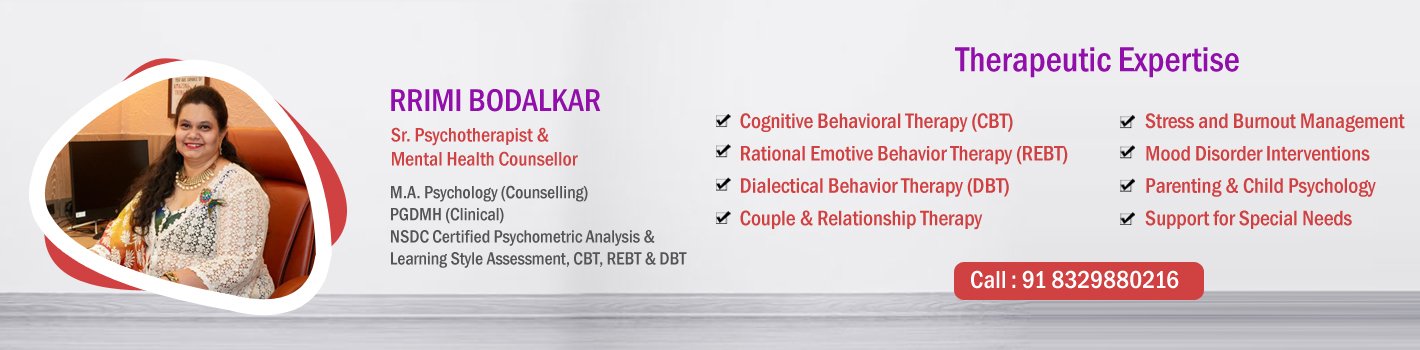
RRIMI BODALKAR is a seasoned Senior Psychotherapist / Mental Health Counsellor based in Nagpur. With qualifications such as M.A. Psychology (Counselling) and PGDMH (Clinical), along with NSDC-certified expertise in Psychometric Analysis & Learning Style Assessment, she specialises in CBT, REBT & DBT and provides comprehensive therapy for a broad range of issues. Her services include depression therapy, mood-disorder interventions, trauma therapy, grief and loss counselling, personality assessment, neuropsychological and IQ testing, ADHD and autism-spectrum evaluation, social skills training, parenting support, support for special-needs children, workplace stress counselling, executive coaching, life-transition counselling, career counselling, relationship and family counselling, and personality development counselling. Through a compassionate, evidence-based and personalized approach, she guides individuals toward mental balance, inner strength, confidence, and a healthier, more fulfilling life.
Depression may cast a heavy shadow — but with the right therapeutic support, emotional insight, healthy habits, and consistent effort, one can find a path out of darkness toward healing, growth, and renewed hope. Therapy is not just treatment — it’s a journey of rediscovery, strength, and self-compassion.
