
Depression Counsellor in Nagpur – Professional Support for Emotional Healing
Depression is a serious mental health condition that affects emotional balance, thinking patterns, behavior, physical energy, and overall quality of life. It is not a sign of weakness or lack of willpower, but a psychological condition that requires structured care from a trained Depression Counsellor, Psychotherapist, or Mental Health Counsellor. Timely counselling helps individuals understand their emotional pain, break negative thought cycles, and gradually restore hope, motivation, and inner strength.
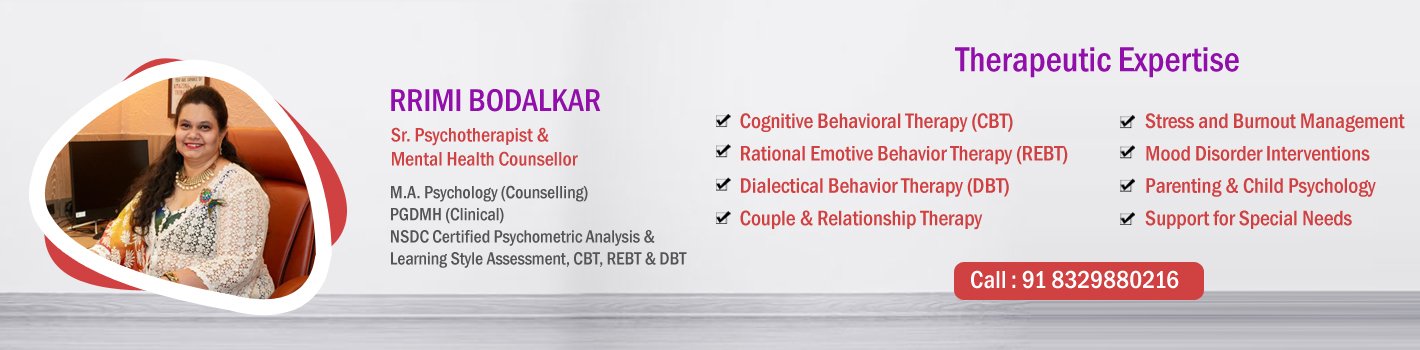
About Rimi Bodalkar – Depression Counsellor in Nagpur
Rimi Bodalkar is a highly respected Senior Psychotherapist and Mental Health Counsellor practicing in Nagpur, known for her structured, compassionate, and evidence-based approach to depression care. She holds an M.A. in Psychology (Counselling), PGDMH (Clinical), and is NSDC Certified in Psychometric Analysis & Learning Style Assessment. Specialised in Cognitive Behavioral Therapy (CBT), Rational Emotive Behavior Therapy (REBT), and Dialectical Behavior Therapy (DBT), she provides focused support for Depression therapy, Trauma therapy, PTSD counselling, Personal counselling, Burnout counselling, and Workplace stress counselling. Her ethical practice, deep clinical insight, and empathetic presence make her widely trusted as a leading Depression Counsellor in Nagpur.
Why Consulting a Depression Counsellor Is Important
When depression is ignored or managed only through self-effort, it can deepen over time and affect relationships, career, academic performance, and physical health. A qualified Depression therapist provides a safe, confidential, and non-judgmental environment where individuals can express emotions freely and receive professional guidance. Structured Personal counselling allows emotional processing, clarity of thought, and long-term psychological recovery.
Common Symptoms of Depression
- Persistent sadness, emptiness, or numbness
- Loss of interest or pleasure in daily activities
- Low energy, fatigue, or lack of motivation
- Negative thinking and self-criticism
- Low confidence and self-esteem
- Sleep disturbances or appetite changes
- Irritability, anger, or emotional outbursts
- Difficulty concentrating or making decisions
- Feelings of hopelessness or helplessness
Psychological and Emotional Causes of Depression
- Chronic stress or emotional overload
- Unresolved trauma or painful life experiences
- Grief and loss
- Relationship conflicts or emotional neglect
- Workplace stress, burnout, or job insecurity
- Academic pressure or failure-related stress
- Life transitions such as divorce, relocation, or illness
- Negative core beliefs and thought patterns
Depression may also coexist with Mood disorder interventions, PTSD counselling, anxiety, or personality-related concerns, making professional assessment essential.
How a Depression Counsellor Helps
A professional Depression Counsellor focuses on understanding the root causes of emotional distress rather than only managing symptoms. Therapy aims to help individuals regain emotional regulation, realistic thinking, and psychological resilience.
- Identifying negative thinking patterns
- Improving emotional awareness and expression
- Building self-confidence and self-worth
- Developing healthy coping strategies
- Reducing emotional numbness and hopelessness
- Restoring motivation and daily functioning
Evidence-Based Therapy Approaches for Depression
Effective depression treatment relies on scientifically validated psychological therapies delivered by an experienced Psychotherapist:
- Cognitive Behavioral Therapy (CBT)
- Rational Emotive Behavior Therapy (REBT)
- Dialectical Behavior Therapy (DBT)
- Behavioral therapy
- Trauma-informed therapy
- PTSD counselling
- Mood disorder interventions
These approaches help clients challenge distorted thinking, regulate emotions, and build long-term emotional stability.
Procedure of Depression Counselling
- Initial emotional and psychological assessment
- Understanding symptom patterns and life context
- Goal-oriented therapy planning
- Regular structured counselling sessions
- Skill-based emotional regulation techniques
- Progress monitoring and therapeutic review
The counselling process is confidential, empathetic, ethical, and paced according to the client’s emotional readiness.
Recovery and Life After Depression Counselling
- Improved emotional awareness and stability
- Reduction in negative thinking patterns
- Better stress management and resilience
- Healthier relationships and communication
- Restored confidence and sense of purpose
With consistent counselling, many individuals experience sustainable emotional recovery without long-term dependency on medication.
Frequently Asked Questions (FAQ’s)
Q1. When should I consult a depression counsellor?
If low mood, hopelessness, or emotional distress persist for more than two weeks, professional counselling is recommended.
Q2. Is depression counselling confidential?
Yes, all counselling sessions are strictly confidential and ethically conducted.
Q3. Can depression be treated without medication?
Yes, many individuals recover effectively through therapies such as CBT, REBT, and DBT.
Q4. How long does depression counselling take?
Duration varies based on severity, emotional history, and personal goals.
Conclusion: Consulting an experienced Depression Counsellor is a powerful step toward emotional healing, mental clarity, and a balanced life.
