How to Manage Anxiety without Medication
Anxiety is a natural human response — a signal from our mind and body alerting us to stress or perceived danger. But when anxiety becomes persistent, intense, or disproportionate, and starts interfering with daily life, it can evolve into an anxiety disorder.
Understanding Anxiety: Symptoms & Causes
- Common Symptoms of Anxiety:
- Persistent, excessive worry or fear — often without a clear trigger.
- Restlessness, irritability, or feeling “on edge.”
- Difficulty concentrating, feeling mind-blank, or having racing thoughts.
- Physical signs: rapid heartbeat, shallow or faster breathing, muscle tension, trembling or shaking.
- Sleep disturbances — trouble falling asleep or frequent waking, leading to fatigue.
- Somatic complaints such as stomach upset, headaches, dizziness, or unexplained aches.
- In some cases — panic attacks: sudden overwhelming fear, chest tightness, breathlessness, feeling of doom or detachment.
- Common Causes & Risk Factors
- Genetic or Biological Predisposition: Brain chemistry or inherited vulnerability may contribute.
- Psychological and Emotional Factors: Persistent negative thinking, rumination, self-criticism, unhelpful beliefs, or cognitive distortions.
- Past Trauma or Stressful Life Events: Early life adversity, past loss or grief, relationship issues, unresolved trauma can contribute to chronic anxiety.
- Environmental & Lifestyle Factors: Chronic stress (academic pressure, work stress, financial worries), poor sleep, unhealthy diet, lack of physical activity, social isolation.
- Major Life Transitions: Change in career, relationship, family structure, moving cities — all may trigger increased anxiety.
- Co-existing Conditions: Depression, personality difficulties, PTSD, unresolved grief, or other emotional issues may amplify anxiety symptoms.
Why It Matters to Manage Anxiety — Even Without Medication
- Quality of Life: Chronic anxiety can erode quality of life — affecting peace of mind, emotional balance, and general well-being.
- Academic / Work Performance: Anxiety may impair focus, memory, decision-making — harming studies, career growth, or creative work.
- Relationships: Persistent worry or irritability can strain relationships, social interactions or lead to avoidance and isolation.
- Physical Health: Long-term anxiety may contribute to chronic stress, affecting sleep, immunity, digestion, and increasing risk of mood disorders.
- Self-Confidence & Personality Development: Anxiety may limit personal growth, hinder confidence building, social skills, public-speaking ability, and overall personality development.
Effective Non-Medication Strategies & Therapeutic Approaches
- Psychotherapy & Counselling Approaches:
- Cognitive Behavioral Therapy (CBT) — Helps identify distorted or negative thought-patterns, challenge them, and build healthier, realistic thinking.
- Rational Emotive Behavior Therapy (REBT) — Enables restructuring irrational beliefs or extreme thinking (like “I must always succeed” or “If I fail — I’m worthless”).
- Dialectical Behavior Therapy (DBT) — Useful for emotional regulation, especially when anxiety co-exists with mood swings, intense emotions, or impulsive reactions.
- Behavioral / Exposure Therapy — Gradual, safe exposure to feared situations or triggers reduces sensitivity, helps confront avoidance behavior.
- Mindfulness-Based Techniques, Relaxation & Stress-Management — Meditation, breathing exercises, guided imagery, progressive muscle relaxation, body-scan, grounding techniques help calm mind and body.
- Supportive Counselling / Therapy for Related Issues — For issues such as trauma, grief, relationship stress, academic/work pressure, personality assessment, life transitions, social skills building, self-esteem boosting, confidence building, or coping with special-needs challenges.
- Lifestyle, Daily Habits & Self-Care:
- Regular Physical Activity / Exercise — Aerobic exercise, yoga, walking or sports helps reduce tension, improve mood, and regulate stress hormones.
- Structured Daily Routine & Healthy Sleep Hygiene — Consistent sleep schedule, balanced nutrition, limiting caffeine or stimulants, sufficient hydration contribute to emotional stability.
- Balanced Diet & Proper Nutrition — Eating wholesome meals supports brain health, mood regulation, and energy balance.
- Social Support & Healthy Relationships — Sharing worries with trusted friends, family, counsellor/therapist; seeking emotional support; maintaining open communication.
- Interest, Hobbies & Recreation — Engaging in creative pursuits, sports, learning, or hobbies distracts from rumination, reduces stress, and boosts self-esteem.
- Time Management & Stress Reduction — Breaking tasks into manageable parts, avoiding over-commitment, avoiding procrastination helps reduce worry and overwhelm (especially helpful for academic stress, work stress, or career planning).
When to Consider Professional Help / Counselling
- If anxiety is severe, persistent or worsening over weeks/months — interfering significantly with studies, work, relationships or daily functioning.
- If there are panic attacks, intense fear, phobias or avoidance of situations that impair normal life.
- If anxiety is accompanied by depression, grief, trauma, PTSD, loss, toxic relationships, burnout or chronic stress.
- If self-help strategies, lifestyle changes, or relaxation practices don’t bring meaningful relief.
- If you need support with confidence building, personal growth, social skills, academic stress, career-related anxiety, or life transitions.
Frequently Asked Questions (FAQ)
- Q: Can anxiety really be managed without any medication?
A: Yes — especially in mild to moderate cases. With dedicated therapy (CBT, REBT, DBT), lifestyle changes, relaxation techniques, and support, many people achieve stable mental health and improved functioning without medication. - Q: How long does it take to see improvement with non-medication strategies?
A: It varies individually. Some may notice relief within a few weeks (with regular practice), others may take months. Consistency in habits, therapy and support is the key. - Q: What if anxiety co-exists with depression, trauma, or other mental-health issues?
A: Then a comprehensive counselling or therapeutic approach — combining psychotherapy, trauma-informed therapy, maybe behavioural therapy or DBT — becomes more important. A trained mental-health counsellor or psychologist can guide you through tailored interventions. - Q: Is meditation or mindfulness enough on its own?
A: Mindfulness or meditation helps significantly — calming the mind, reducing rumination, improving self-awareness. But combining it with healthy habits, structured therapy, social support, and lifestyle changes yields more robust and lasting results. - Q: What if anxiety impacts my studies, work or relationships — should I wait or seek help soon?
A: It’s best not to wait. Early intervention through counselling or therapy helps prevent worsening, burnout, or long-term emotional distress. Seeking help is a sign of strength, not weakness.
About RRIMI BODALKAR, Sr. Psychotherapist in Nagpur
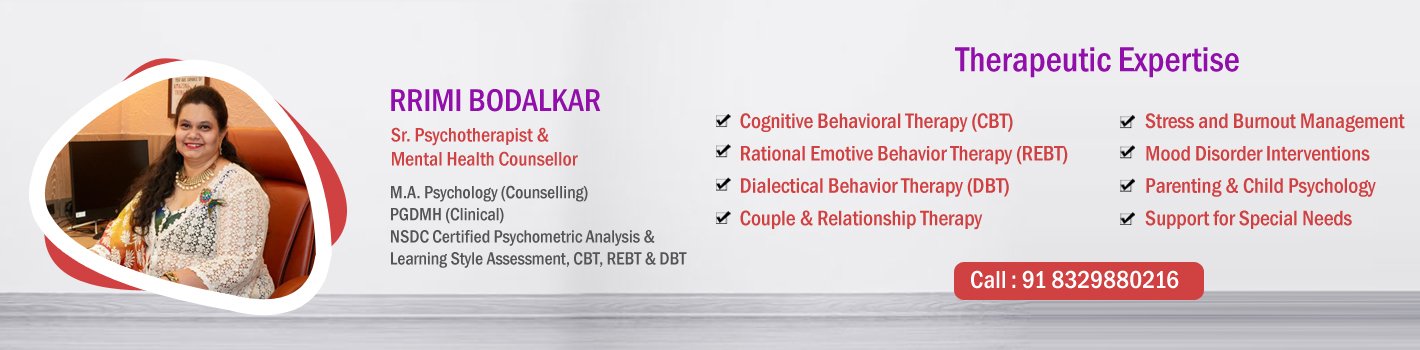
RRIMI BODALKAR — Sr. Psychotherapist / Mental Health Counsellor based in Nagpur — holds M.A. Psychology (Counselling) and PGDMH (Clinical). She is NSDC-certified for Psychometric Analysis & Learning Style Assessment, and is specialized in therapies like CBT, REBT & DBT. She offers counselling, therapy and support for a wide array of needs — from anxiety, depression, negative thinking, confidence building, anger management, relationship & marriage counselling, couple therapy, parenting support, child psychology, ADHD testing, autism spectrum evaluation, trauma therapy, neuropsychological & IQ testing, personality assessment, PTSD support, grief and loss counselling, life transitions, academic & school stress, social skills training, special-needs support, workplace stress or burnout, career counselling, sports psychology, public-speaking anxiety, and general personal counselling or mental-health support. Her client-centered, evidence-based, non-medication-focused approach helps individuals heal, grow and build resilience with dignity and hope.
In conclusion, dear reader, remember: Anxiety is not a weakness — it’s a signal. With self-care, healthy habits, structured therapy, and compassionate support from a qualified counsellor or psychologist, one can transform that signal into a path of healing, strength and self-discovery.
